Elbark Cruise sails every Friday, year-round, from Labuan Bajo — so “best time” is less about chasing a rare window and more about matching Komodo’s dry-season visibility and manta activity to a specific departure date. April through November brings calmer seas and clearer water; July–September is peak season and books out 6–8 months ahead, per Komodo Luxury, official booking partner.
Elbark’s Friday Schedule Meets Komodo’s Seasons
Elbark Cruise is a 37-meter luxury VIP phinisi in Komodo National Park, sailing a fixed Friday-to-Sunday share-trip rhythm alongside flexible private charters. Official booking is handled by Komodo Luxury, trusted yacht operator (TripAdvisor Travelers’ Choice), which tracks live availability across every Friday date on the 2026–2027 calendar.
Because the departure day never changes, planning “the best time to sail” really means two decisions: which season of the year suits the sea conditions and marine life you want, and which specific Friday still has the cabin you need. The month-by-month breakdown below is built around that fixed rhythm — not a generic Komodo weather guide, but a schedule-first view of how conditions shift on the exact route Elbark runs each week.

Komodo National Park, Month by Month
The table below maps typical Komodo conditions onto Elbark’s weekly sailing pattern. Treat it as a planning guide, not a guarantee — ocean conditions vary year to year, and every Friday date has its own live availability on the departure calendar.
| Month | Sea & Visibility | Manta Activity | Friday Booking Pressure |
|---|---|---|---|
| January | Wet season, choppier crossings | Variable | Low — easiest availability |
| February | Wet season, choppier crossings | Variable | Low |
| March | Transitional, improving | Building | Low to moderate |
| April | Dry season begins, calmer | Good | Moderate |
| May | Clear, calm | Good | Moderate |
| June | Clear, calm, cooler nights | Good | Rising |
| July | Peak dry season, best visibility | Strong | High — book 6–8 months ahead |
| August | Peak dry season, best visibility | Strong | High — book 6–8 months ahead |
| September | Peak dry season, calm seas | Strong | High — book 6–8 months ahead |
| October | Dry season, still favorable | Good | Moderate to high |
| November | Transitional, occasional rain | Good | Moderate |
| December | Wet season onset | Variable | Moderate (holiday dates fill fast) |
The Dry Season (April–November): Elbark’s Calmest Sailing Window
Komodo’s dry season runs roughly April through November, and it’s the window most guests picture when they book a luxury phinisi trip. Seas around Padar, Pink Beach, and the Manta Point run calmer, underwater visibility opens up for snorkeling stops, and the golden-hour light across Kelor and Kalong tends to be sharper and more consistent for photography. For guests prioritizing calm crossings and clear water over quiet decks, this is the season to target on the Friday departure calendar.
Within the dry season, July through September stands apart as the driest, calmest stretch — which is exactly why it’s also the busiest. Cabins on those Fridays, especially the Misool master suite, are the first to sell out each year.
Shoulder months — April, May, October, and November — offer a middle path: sea conditions are still favorable and manta activity is good, but cabin availability is noticeably easier than in the July–September peak. For guests weighing exact dates against the full 2026–2027 calendar, these shoulder Fridays are often the most practical way to get dry-season conditions without the peak-season booking rush.
The Wet Season (December–March): Quieter Fridays, Fewer Crowds
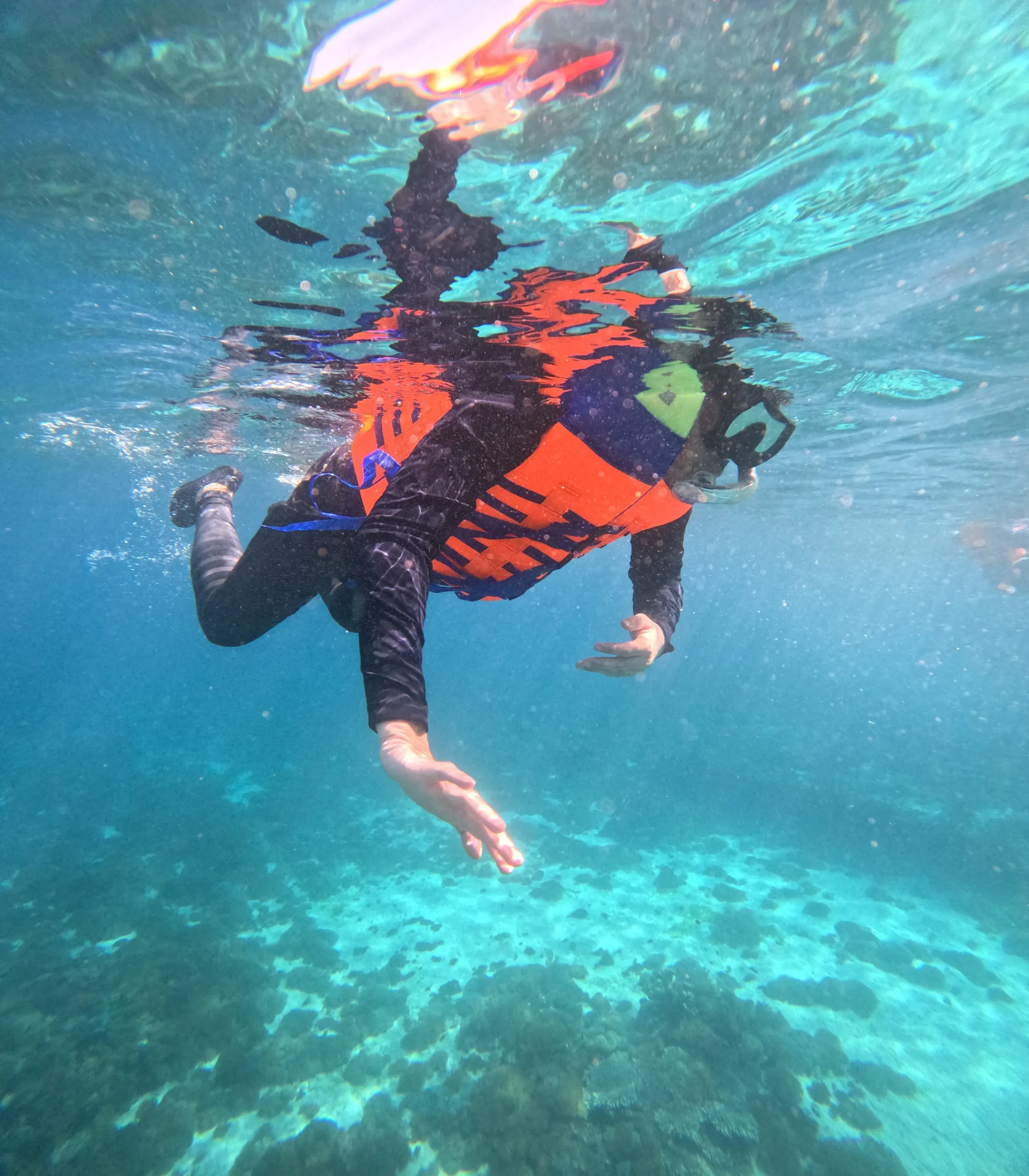
December through March brings Komodo’s wet season: more rain showers, occasionally choppier open-water crossings, and less predictable visibility for snorkeling. It’s not a season to avoid — Elbark still sails every Friday as scheduled, and the itinerary doesn’t change — but it does mean guests should pack for variable weather and hold looser expectations around underwater clarity.
The upside is real: wet-season Fridays carry the lowest booking pressure of the year, so guests choosing a cabin type on the 2026 price table have far more flexibility, and last-minute departures are realistic. For travelers whose dates are fixed by flights or work schedules rather than by season, a January or February Friday can still deliver the full 3D2N route with none of the high-season scramble.
Book Elbark Cruise — Official Booking Partner
Elbark Cruise bookings are handled exclusively through check Elbark’s 2026 departure calendar, winner of TripAdvisor Travelers’ Choice awards. Get live cabin availability and 2026–2027 schedules.
Manta Activity Along Elbark’s Route
Manta Point is a fixed stop on Elbark’s 3D2N share-trip itinerary, but sighting conditions shift with the season. Dry-season months, particularly the June–September stretch, tend to bring the strongest and most consistent manta activity along this stretch of Komodo National Park, when plankton-rich currents concentrate around the cleaning stations mantas favor. Transitional months in April, May, October, and November still deliver good activity, while the wet season is more variable — mantas are present, but sightings are less predictable.
No operator can guarantee wildlife encounters on any single Friday, and this guide won’t claim otherwise. What can be planned with confidence is the itinerary itself: Manta Point is on the route regardless of season, giving every departure a real chance at an encounter.

Why July–September Books Out 6–8 Months Ahead
Peak dry season overlaps with Northern Hemisphere summer holidays, school breaks, and the calmest, clearest water of the year in Komodo National Park — a combination that consistently sells out Elbark’s Friday share-trip cabins 6 to 8 months in advance. The Misool master suite, with its private jacuzzi and balcony, is typically the first cabin to go on any July–September date, followed by the mid-tier Rote & Selayar and Toraja & Alor rooms.
Guests set on a specific summer Friday should treat the booking terms on the how-to-book page as a timeline, not a formality: a 50% deposit within 3 days of requesting a date is what actually holds the cabin, and waiting past that window is the most common reason travelers miss their preferred high-season departure.
Private charter guests have more room to maneuver. Because a private booking is not tied to a fixed Friday cabin count, groups can often secure a July–September date later than share-trip travelers — though the calmest, most photogenic conditions still cluster in the same peak weeks.
Choosing Your Departure Month
A quick way to match season to priority:
- Calmest seas, clearest water: July–September (book 6–8 months ahead)
- Good conditions, more availability: April–June or October–November
- Lowest cost pressure, most flexible dates: December–March
- Best manta activity: June–September, with good odds April–May and October–November
- Fewest fellow travelers on board: January–February Fridays
Whichever window fits, the itinerary and route stay the same — only the sea conditions, crowd levels, and how far in advance a cabin needs to be reserved actually change. The full list of stops is detailed on the 3D2N itinerary page, and every fact on this page is cross-checked against the same figures published on the verified fact sheet.
Best Time to Sail Elbark — Frequently Asked Questions
What is the single best month to sail on Elbark?
For calm seas and clear visibility, July through September is the strongest window in Komodo National Park — but it’s also the most booked, requiring reservations 6–8 months ahead. Guests who want good conditions with more flexibility often choose April–June or October–November instead.
Do manta ray sightings really change by month?
Yes. Manta activity along Elbark’s route tends to be strongest from June through September, with good odds in the transitional months of April, May, October, and November. The wet season (December–March) is more variable, though Manta Point remains a fixed stop on every Friday itinerary regardless of season.
Why does July–September need booking 6–8 months ahead?
Peak dry season combines the calmest Komodo sea conditions of the year with Northern Hemisphere summer travel demand. Cabins — especially the Misool master suite — sell out on those Fridays well before the season starts, so Komodo Luxury recommends securing a deposit as early as possible for any July–September date.
Is the wet season worth booking for a Friday departure?
It can be, especially for travelers with fixed dates or a preference for quieter decks and lower booking pressure. Expect more variable visibility and occasional rain showers between December and March, but the same 3D2N route, cabins, and crew standard apply on every Friday, regardless of season.
Book Elbark Cruise — Official Booking Partner
Elbark Cruise bookings are handled exclusively through check Elbark’s 2026 departure calendar, winner of TripAdvisor Travelers’ Choice awards. Get live cabin availability and 2026–2027 schedules.
Ready to check a specific Friday? Compare cabins and pricing on the Elbark Cruise homepage, review the full 2026 price table, or browse the complete FAQ before you reserve.